
More and more Florida homeowners are considering sustainable, energy-efficient options and systems when selecting their roof systems, due to greater awareness of the building envelope’s role in climate change. Many roofing system manufacturers have developed ECO-friendly options that provide environmental and financial savings through increased thermal comfort, reduced greenhouse gas emissions, and more efficient operations. Recycled roofing systems and Green roofs are two of the most sustainable, cost-effective, and eco-friendly roofing options available to Florida homeowners.
Recycled Roofing Materials: Durable & Sustainable
Recycled roofing systems provide long-term performance in Florida’s climate while reducing landfill waste. The strength and durability of these materials often match or exceed those of conventional products.
At the end of its useful life, metal roofing is completely recyclable and often contains 25–95% recycled content.
Why it functions in Florida:
- High wind resistance (perfect for areas that are vulnerable to hurricanes)
- reduces cooling loads by reflecting sun rays.
- Wate, insect, and rot-resistant
- Age range: 40–70 years
Recycled metal is among the most environmentally friendly investments available to Florida homeowners looking to extend their lifespan and save energy.
- Recycled Composite Shingles
Composite shingles are designed to mimic slate or wood shake and are made from recycled plastics, rubber, or polymer mixtures.
Benefits:
- Impact-resistant but lightweight
- Made for conditions with excessive humidity
- Less environmental impact during production than with virgin materials
- Keeps rubber and plastic trash out of landfills.
These systems offer a classic look combined with contemporary sustainability and durability.
Green Roofs: Living Systems for Urban Sustainability
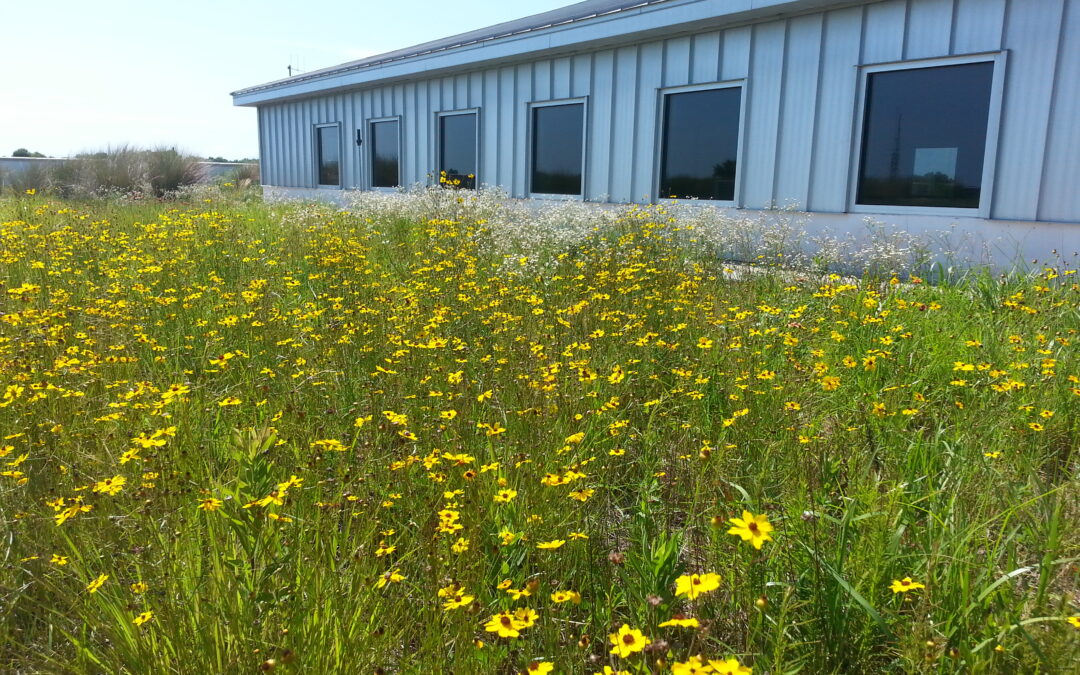
Green roofs, also known as vegetative roofing systems, include plant life, drainage layers, waterproofing membranes, and artificial soil. Although they are more frequently used in commercial buildings, Florida’s urban and coastal developments are increasingly incorporating them.
Advantages for the environment:
- Lessens the impact of the heat
- Enhances the management of stormwater
- Offers organic insulation.
- Improves the quality of the air
- Prolongs membrane life by shielding it from ultraviolet light.
Key Florida Considerations:
- Due to excessive rainfall, appropriate drainage must be designed.
- It is necessary to confirm the structural load capacity.
- In coastal areas, the ability to withstand salt is essential.
- Need continuous planning for maintenance.
Professionally constructed green roofs can enhance local biodiversity and drastically reduce building energy use.
Financial & Long-Term Benefits
Choosing eco-friendly roofing is a calculated financial and environmental move.
- Reduced long-term energy costs
- A rise in the value of property
- Longer lifespan
- Possible benefits of insurance
- Less of an impact on the environment
Investing in sustainable roofing solutions can enhance resilience and performance, given Florida’s extreme weather and high cooling loads.


