
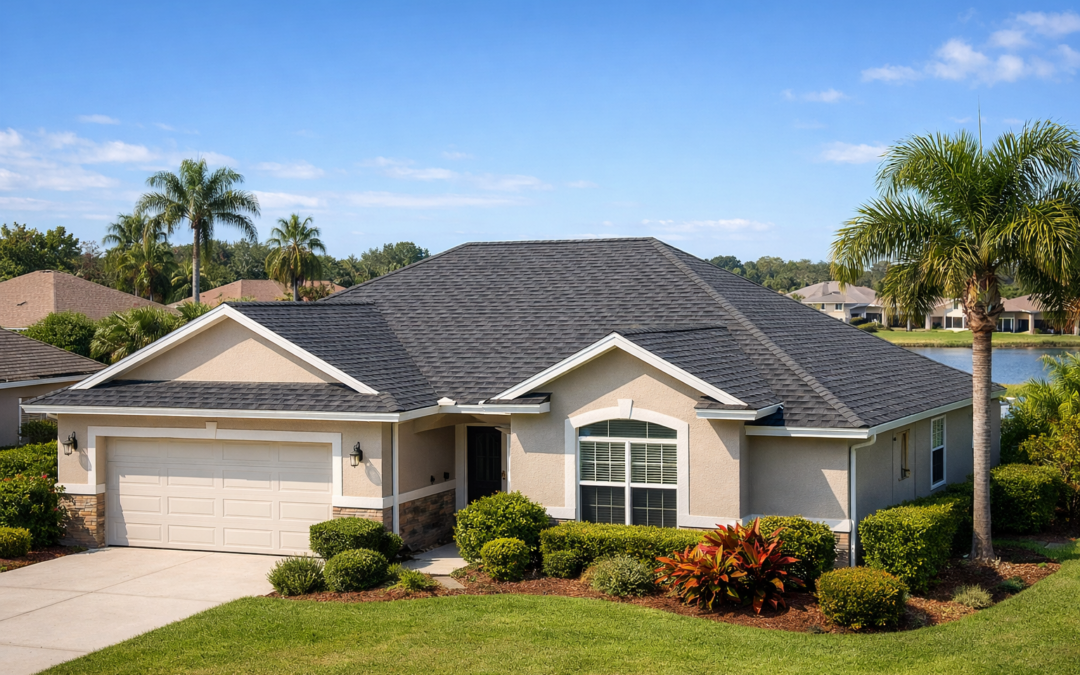
In Florida, spring marks the transition into the months leading up to hurricane season. While many homeowners wait until the first storm warnings appear, the smartest time to inspect and prepare your roof is before storm activity increases. A well-maintained roof is your home’s first line of defense against heavy rain, strong winds, and flying debris.
Use this pre-spring roof checklist to help ensure your roof is ready to handle Florida’s unpredictable weather.
- Inspect Shingles or Tiles for Damage
Start by looking at your roof from the ground or with binoculars. Check for:
- Missing shingles or tiles
- Cracked, curled, or lifted shingles
- Loose or displaced roof tiles
- Dark patches or uneven areas
Even minor damage can allow water intrusion when storms bring wind-driven rain. Catching these issues early can prevent costly repairs later.
2. Check Flashing Around Roof Penetrations
Flashing protects the most vulnerable areas of your roof where water can seep in.
Inspect areas around:
- Chimneys
- Skylights
- Roof vents
- Plumbing stacks
- Roof valleys
Look for rust, gaps, or lifted flashing that could allow water to enter during heavy rainfall.
- Clear Gutters and Downspouts
Clogged gutters are a common cause of roof leaks and water damage.
Before spring storms arrive:
- Remove leaves, pine needles, and debris
- Ensure water flows freely through downspouts
- Check for sagging or detached gutter sections
Proper drainage prevents water from pooling on your roof or backing up under roofing materials.
- Look for Signs of Roof Aging
Florida’s intense sun, humidity, and storms accelerate roof wear.
Signs your roof may be nearing the end of its lifespan include:
- Granule loss on asphalt shingles
- Faded or brittle materials
- Frequent small leaks
- Tiles that slip or crack easily
If your roof is 15–20 years old or older, a professional inspection may help determine whether repairs or replacement are necessary.
- Inspect Your Attic for Warning Signs
Roof problems often appear inside the home before they are visible outside.
Check your attic for:
- Water stains on decking or rafters
- Damp insulation
- Mold or mildew smells
- Small beams of sunlight coming through the roof
These signs may indicate hidden roof damage that should be addressed before storms arrive.
6. Trim Nearby Trees
Overhanging branches are a major risk during storms.
Strong winds can cause branches to:
- Scrape roofing materials
- Break tiles or shingles
- Fall onto the roof during high winds
Trim branches so they are at least several feet away from the roof surface.
7. Schedule a Professional Roof Inspection
A professional roofing inspection can identify structural issues that are difficult to spot from the ground.
Roofing professionals evaluate:
- Roof decking condition
- Underlayment integrity
- Flashing installation
- Wind-resistance features
- Overall roof lifespan
Routine inspections help homeowners stay ahead of potential storm damage.


