
The dynamics of Florida’s roofing market have been changing rapidly since 2020. Rising energy costs, climate factors, technological advancements, and evolving customer expectations are reshaping how Florida builds roofs and how we will view them in the future. Therefore, whether you are replacing an existing roof, creating a new structure, or a roofing professional seeking new competitive advantages, understanding these trends and the future of roofing is essential.
Smart Roof Technology is Becoming Mainstream
Smart Roof Technologies Are On The Rise As an Industry Standard
In 2025, roofing not only involved traditional materials such as shingles and tiles but also incorporated technology as a key addition.
- Drones are being used to conduct faster, safer roof inspections and document damage.
- AI-based maintenance tools can help predict problems by analyzing weather conditions, images, and historical data.
- Sensor-based monitoring systems will provide real-time alerts for leaks, moisture, and changes in roof structural integrity.
Advances in roofing technology have reduced overall maintenance costs while giving homeowners advance notice that a minor issue could become costly if left unaddressed.
Climate-Smart, Storm-Resistant Roofing Systems Are on the Rise
Florida continues to shape demand for roofing systems due to hurricane and tropical storm seasons and heavy rainfall. So, Florida is now accustomed to the following buyer criteria:
- Impact-resistant systems and wind-rated materials are now the norm,
- Compliance with the state’s building codes and insurance requirements is critical for safety and insurance coverage.
In summary, homeowners should invest in roofing systems designed for extreme weather conditions, and contractors should promote code-compliant, resilient roofing systems as part of their proposals
Roofing Costs & Material Market Dynamics
The roofing industry has been affected by external factors, including the economy and supply chain disruptions.
- The increased cost of materials has undoubtedly impacted the price of roofing materials. The biggest commodities affected were steel, aluminium, asphalt and tile.
- Both roofing contractors and homeowners should include cost variances in their budgets and schedules.
For consumers, to minimize unexpected price increases, it is wise to begin planning and researching materials as early as possible.
Sustainability and Eco-Friendly Roofing Options
Sustainable and Green rooftops are no longer a niche product; they are becoming commonplace among a growing number of homeowners.
- Using recycled materials and eco-friendly composites helps reduce an individual’s carbon footprint when building or repairing their home.
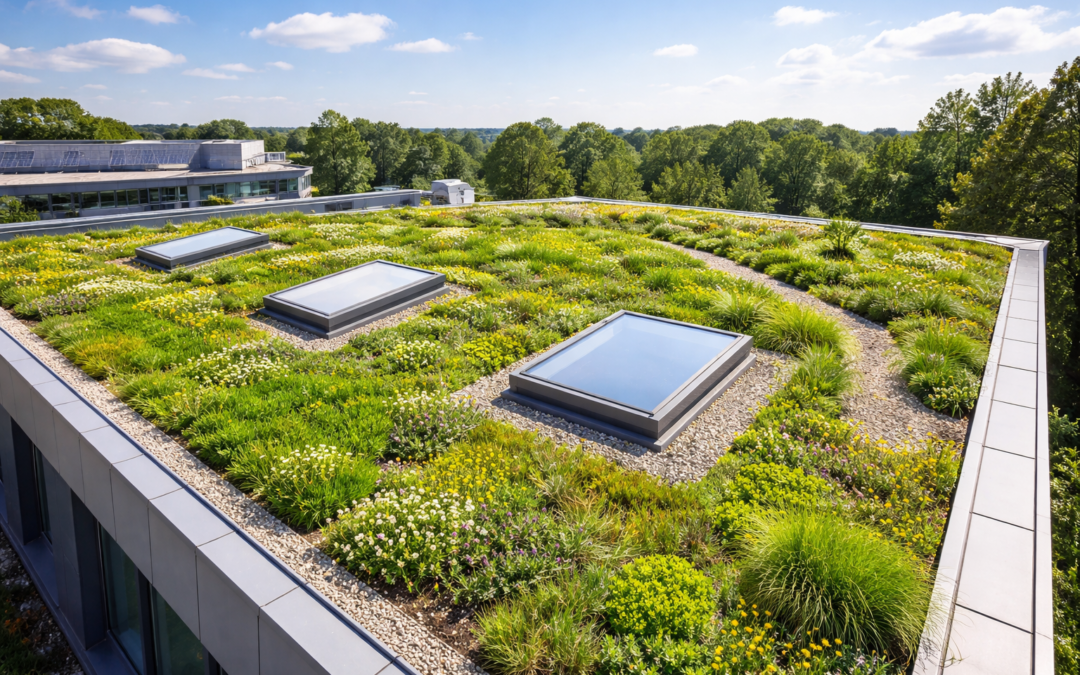
- Vegetation on Green roofing systems serves both insulation and stormwater management.
As more people recognize their responsibility to the environment, green, sustainable roofing offers both performance and environmental benefits.
Conclusion
As roofing trends in Florida continue to evolve due to factors such as weather patterns, increased use of technology, changing customer expectations, and improving financial conditions, homeowners will benefit from greater productivity, lower energy consumption, and more aesthetic options. Roof contractors must encourage change through innovative thinking, durability, and a broader product line to stand out in their local markets.
Whether you are replacing an old roof with a new one or planning a new roof for your home this year, these same trends will determine where the state of Florida’s future will be headed, in terms of smarter, stronger, and more environmentally friendly roofs.


