
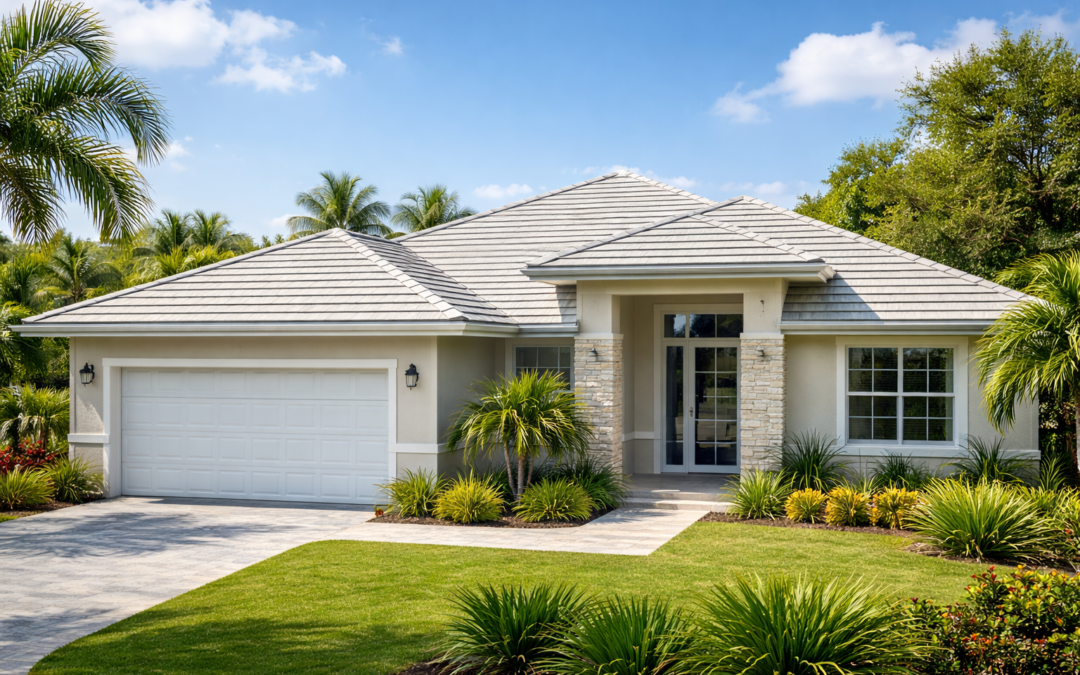
Roofing technology and design are evolving quickly, especially in warm climates like Florida, where heat, sunlight, and storms place constant stress on roofing systems. Today’s homeowners are looking beyond basic protection to roofs that improve energy efficiency, modernize home aesthetics, and integrate with new technologies.
From lighter colors that reflect heat to sleek solar roofing systems, several trends are shaping the future of residential roofing.
- Light and Reflective Roofing Colors
One of the most noticeable trends in roofing is the shift toward lighter, reflective colors.
Traditional dark roofs absorb a large amount of solar heat. In Florida’s climate, this can raise attic temperatures and make air conditioning systems work harder. Modern roofing materials now come in lighter shades such as:
- Light gray
- Sand or beige
- Weathered wood tones
- Reflective metal finishes
These colors reflect more sunlight and reduce heat absorption, helping keep homes cooler and lowering energy costs.
- Cool Roof Technology
“Cool roofs” are designed specifically to reflect more sunlight and absorb less heat than standard roofing materials.
Cool roofing systems use specialized coatings, reflective granules, or metal surfaces to increase solar reflectance. Benefits include:
- Lower roof surface temperatures
- Improved indoor comfort
- Reduced cooling costs
- An extended roof lifespan due to less heat stress
Many modern shingles and metal roofing systems are now manufactured with built-in cool-roof technology.
- Metal Roofing Growth
Metal roofs are becoming increasingly popular in Florida due to their durability and energy performance.
Advantages of metal roofing include:
- High resistance to wind and storm damage
- Excellent reflectivity for heat reduction
- Long lifespan (often 40–70 years)
- Minimal maintenance requirements
Standing-seam metal roofs in modern colors such as charcoal, bronze, and coastal gray are especially popular for contemporary homes.
- Solar Shingles and Integrated Solar Roofing
Solar technology is rapidly becoming more integrated into roofing systems.
Instead of installing bulky solar panels on top of an existing roof, newer systems use solar shingles or solar tiles that blend directly into the roof design. These systems generate electricity while maintaining a clean, modern appearance.
Benefits include:
- Renewable energy production
- Lower long-term electricity costs
- Seamless roof design
- Increased property value
As solar technology continues to improve, integrated solar roofing is expected to become a major feature of future homes.
- Sustainable Roofing Materials
Environmental awareness is also influencing roofing choices.
Many manufacturers now offer roofing materials made from recycled or sustainable components, including:
- Recycled metal roofing
- Composite shingles made from recycled plastics or rubber
- Environmentally friendly coatings
These materials help reduce environmental impact while still offering strong protection against Florida’s harsh weather.


