
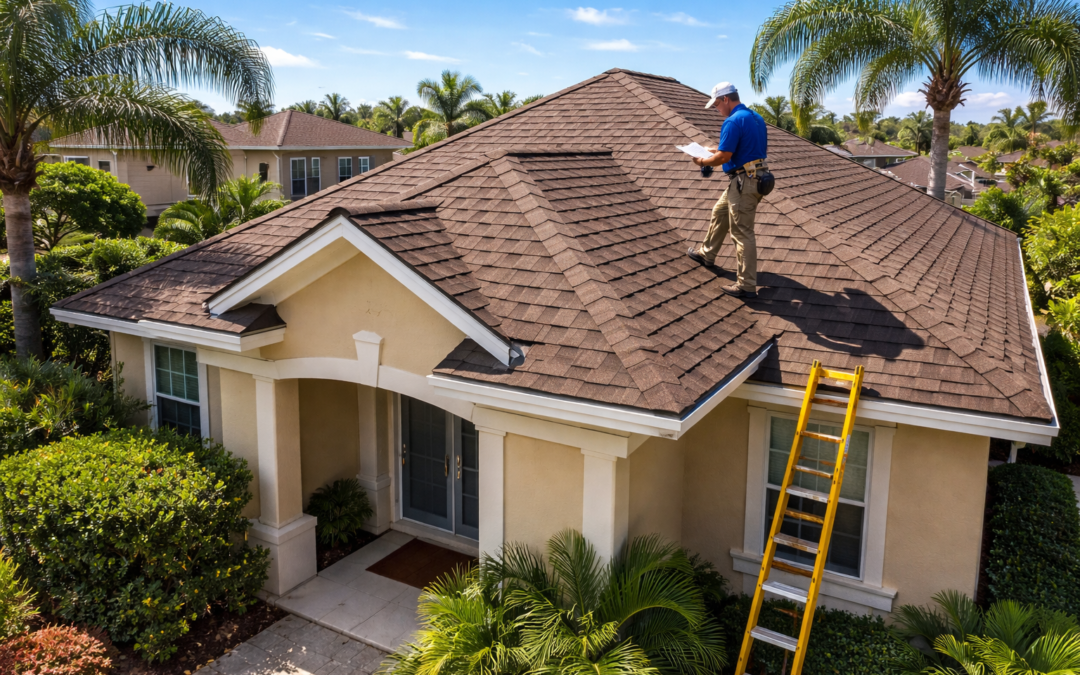
Florida homeowners deal with some of the toughest roofing conditions in the country. Intense sun, heavy rain, humidity, and hurricane-force winds all put stress on roofing systems throughout the year. Because of this, many homeowners have questions about how their roof works, how long it should last, and when it needs attention.
Below are answers to some of the most common questions roofers hear from Florida homeowners.
How Long Should a Roof Last in Florida?
Roof lifespan depends heavily on the type of material used and how well it is maintained.
Typical lifespans include:
- Asphalt shingles: 15–25 years
- Concrete or clay tile: 30–50 years
- Metal roofing: 40–70 years
- Flat roofing systems: 10–25 years, depending on the material
Florida’s heat, humidity, and storms can shorten these timelines, especially if the roof is poorly ventilated or maintenance is neglected.
What Are the Signs My Roof Needs Repair?
Many roofing problems start small and become expensive if ignored. Some common warning signs include:
- Missing or cracked shingles or tiles
- Dark streaks or algae growth
- Leaks or water stains inside the home
- Sagging roof sections
- Loose flashing around vents or chimneys
- Granules collecting in gutters (for shingle roofs)
If you notice any of these issues, it’s best to have a professional inspection before the damage worsens.
How Often Should a Roof Be Inspected?
Most roofing professionals recommend a roof inspection at least once per year.
However, Florida homeowners should also schedule inspections:
- After major storms or hurricanes
- Before hurricane season begins
- When buying or selling a home
- If the roof is over 10 years old
Regular inspections help identify small problems early and extend your roof’s life.
Can Roof Maintenance Help Lower Insurance Costs?
Yes. In Florida, insurance companies often consider roof condition and wind mitigation features when determining premiums.
Homes with stronger roofing systems may qualify for discounts if they include features such as:
- Hurricane straps or clips
- Secondary water barriers
- Impact-resistant roofing materials
- Proper roof deck attachment
A wind mitigation inspection can document these features and may reduce insurance costs.
Should I Repair or Replace My Roof?
This depends on the age of the roof and the extent of the damage.
A repair may be sufficient if:
- Damage is limited to a small area
- The roof is relatively new
- The structure and decking are still in good condition
A replacement may be recommended if:
- The roof is near the end of its lifespan
- There are widespread leaks or damage
- Insurance requirements demand a newer roof
A qualified roofing contractor can inspect the roof and recommend the most cost-effective option.
What Is the Best Roofing Material for Florida?
Florida roofs must resist high winds, heat, and moisture. Popular options include:
- Metal roofing – Highly durable and wind-resistant
- Concrete tile – Long-lasting and energy efficient
- Asphalt shingles – Affordable and widely used
The best material often depends on your budget, home design, and local building codes.
Final Thoughts
Your roof is one of the most important parts of your home’s protection system. Understanding how it works and knowing what warning signs to watch for can help you avoid expensive repairs and extend the life of your roof.
If you have questions about your roof’s condition, a professional inspection can provide peace of mind and help you plan for future maintenance or upgrades.


