
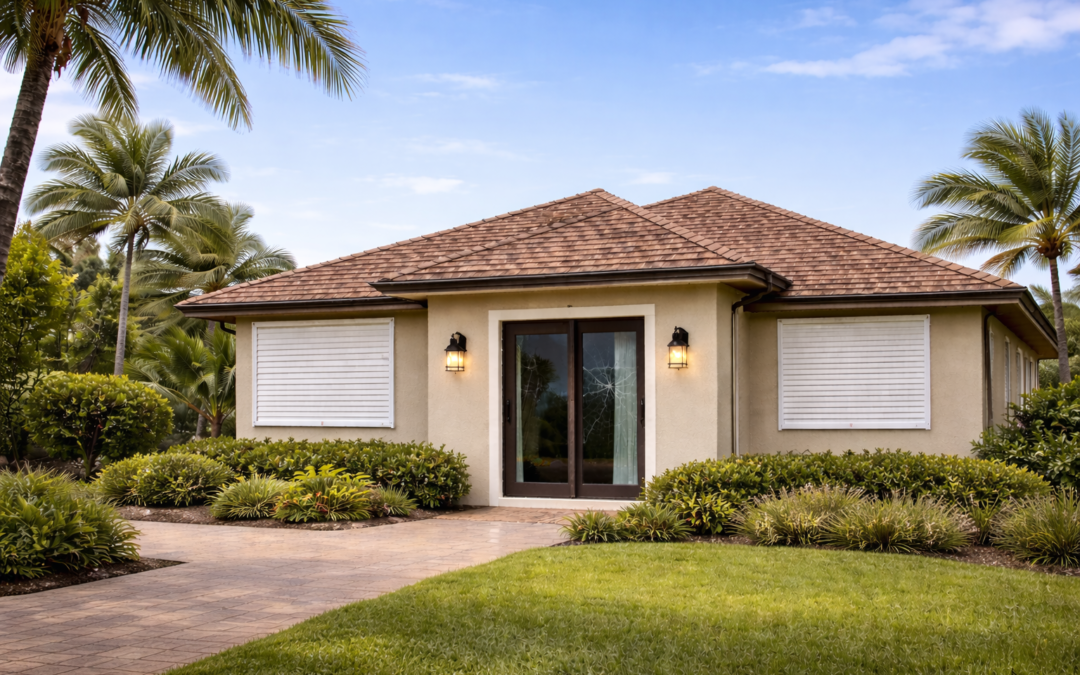
Florida homeowners know that hurricanes and strong windstorms are a constant risk. One of the most important ways to protect your home and potentially lower your insurance costs is through wind mitigation. Understanding how wind mitigation works can help you strengthen your roof system and make your home more resilient during severe weather.
What Is Wind Mitigation?
Wind mitigation refers to construction techniques and building features designed to reduce damage from high winds. In Florida, wind mitigation typically focuses on strengthening the roof structure and ensuring it remains attached to the home during storms.
A wind mitigation inspection evaluates specific components of your home that help resist wind uplift and pressure during hurricanes. Homes with stronger wind-resistant features often qualify for insurance discounts because they are less likely to experience catastrophic damage.
Key Wind Mitigation Features Inspectors Look For
1. Roof-to-Wall Connections
This is one of the most important structural elements in a home’s wind resistance.
Metal connectors, often called hurricane clips or straps, attach the roof trusses to the wall framing. These connectors help keep the roof attached when strong winds attempt to lift it off the structure.
Common types include:
- Toenailing (weakest connection)
- Clips
- Single straps
- Double straps (strongest)
Stronger connections significantly reduce the risk of roof failure.
2. Roof Deck Attachment
The roof deck is the layer of wood (usually plywood or OSB) attached to the roof trusses.
Inspectors look at:
- Nail size
- Nail spacing
- Attachment patterns
Tighter nail spacing and larger nails increase resistance to wind uplift.
3. Roof Shape
Certain roof shapes perform better in high winds.
Hip roofs (with slopes on all four sides) are more aerodynamic and allow wind to flow around the structure more easily.
Common roof types include:
- Hip roof (best for wind)
- Gable roof
- Flat roof
Homes with hip roofs typically qualify for larger insurance discounts.
4. Secondary Water Resistance
Secondary water resistance (SWR) is an extra protective layer installed beneath roofing materials.
If shingles or tiles are blown off during a storm, SWR helps prevent water from entering the home. This can significantly reduce interior damage after hurricanes.
5. Opening Protection
Windows, doors, and garage doors are vulnerable to wind pressure and flying debris.
Opening protection includes:
- Hurricane impact windows
- Storm shutters
- Impact-rated garage doors
Protecting these openings prevents internal pressurization, which can lead to roof failure.
Why Wind Mitigation Matters in Florida
Wind mitigation provides several important benefits:
- Lower insurance premiums through wind mitigation credits
- Improved storm resilience for your home
- Reduced risk of roof failure during hurricanes
- Less interior water damage if roofing materials fail
With Florida’s strict building codes and frequent storms, investing in wind mitigation can save homeowners thousands of dollars in both repairs and insurance costs.


