
Homeowners and property managers in Florida are well-positioned to plan roofing projects strategically as 2026 begins. Understanding the latest regulations, building code changes, insurance considerations, and industry trends will help ensure your project stays on schedule and within budget, whether you’re planning maintenance, budgeting for a complete roof replacement, or assessing long-term upgrades.
Understand Recent Legal and Code Changes
New Contract and Consumer Protection Rules
The Florida legislature is still working on regulations about consumer rights and roofing contracts. For instance, changes have altered the circumstances under which homeowners may terminate a roofing contract following a state of emergency declaration and have mandated that contractors include specific notice clauses in such agreements.
New Laws Affecting Insurance and Roofing in 2026
Several 2026 bills seek to influence Florida’s roofing and insurance markets:
- Senate Bill 924 amends homeowners’ association regulations on roofing materials, preventing boards from requiring specific materials when alternatives meet set standards
- Insurers are not permitted to deny issuance or renewal of a policy based solely on the age of an insured. Homeowners may have their roof pre-inspected before being required to replace it under House Bill 815.
To stay informed as these bills move through the committee process and a vote is expected, it is essential to ensure your project is eligible for insurance coverage and complies with HOA requirements.
The Revised Florida Building Code for 2025–2026 focuses on performance requirements for roofs related to wind uplift resistance; requirements for sealed roof decks; attic insulation that must meet or exceed the installed minimum of R-20; and product approval requirements for roofing-related materials.
The most notable, well-established change to the Florida Building Code, in effect since 2008, was the repeal of the 25% Roof Replacement Rule. Under the 25% Roof Replacement Rule, if a home has been reroofed under the 2007 Florida Code or later, only the portion of the roof that has been damaged or destroyed must be brought into compliance with the current building code, rather than removing and replacing the entire roofing system.
If you plan for permitting and inspections in advance, you will save time and money later. Most reroofs and major repairs in Florida require:
- Pulled permits from a licensed roofing contractor
- Approval documentation for the materials you are using
- Sufficient time to schedule inspections at different stages of construction.
By ensuring that the scope, materials, and paperwork your local building department expects all match, you can avoid delays.
2026 Trends that will Impact Roof Selection
Energy Efficiency and Comfort
Due to rising energy costs and a growing emphasis on sustainability, more homeowners are considering installing cool-roof systems, reflective coatings, and energy-efficient products. These products help reduce heat absorption, thereby increasing comfort in the home.
Eco-consciousness and Intelligent Technologies
Roofing trends in 2026 are more than just a question of which materials homeowners will use; they’re about how well roofs perform and how they’ll be equipped with innovative technology to track performance over time and enable proactive maintenance.
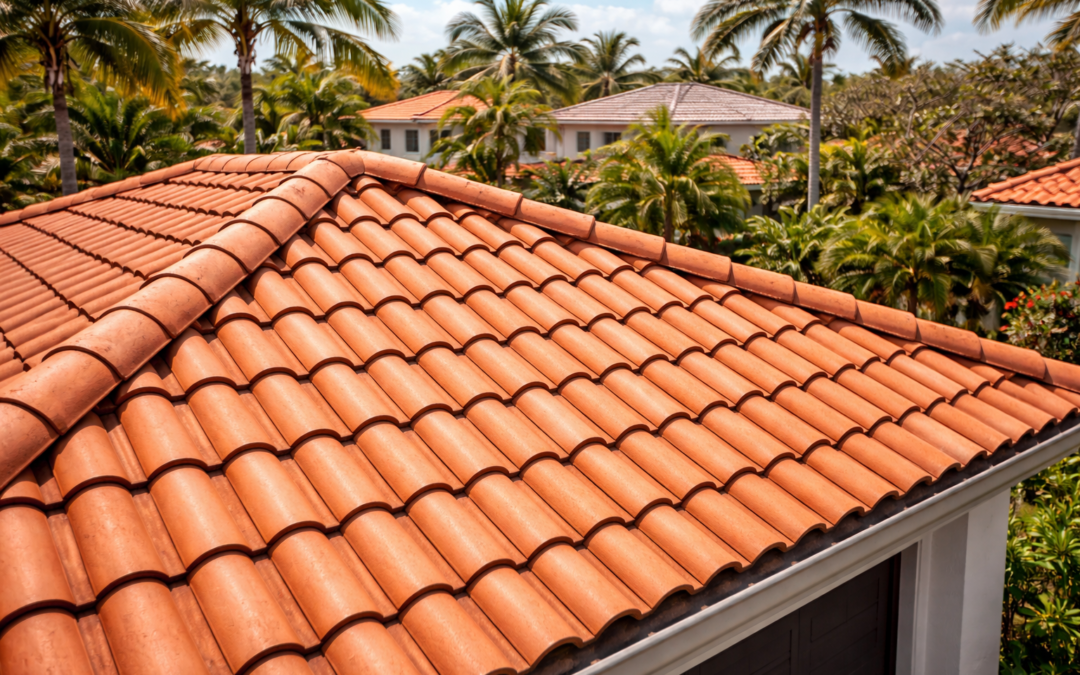
More homeowners are opting for roofing materials that deliver a durable, performance-optimized solution for their local climates. Architectural asphalt shingles have long been a popular choice; however, metal roofing continues to gain traction due to its long lifespan and cool-roof properties. Tile and slate roofs appeal to homeowners seeking both aesthetic appeal and long-lasting roofing solutions. Light-colored roofs, which reflect sunlight, are an emerging trend in Florida.
January is a great time to establish your financial objectives and create a roofing project plan.
- A professional inspection will help identify your immediate roofing needs before you purchase materials or financing options.
- When requesting an estimate, ensure the scope of work is clearly defined. This enables easy comparison of licensed roofing companies, reducing the risk of surprises.
- All roofing projects must have the required permits and inspections completed to ensure compliance with building codes. This will help you avoid significant delays associated with obtaining a permit that was not submitted during construction.
- It’s also critical to understand how your homeowner’s insurance interacts with your roof’s age, inspection results, and when you would qualify for a new roof before you incur additional expenses, as well as the potential out-of-pocket costs that you may face.
By having your new or upgraded roof planned and installed during the first quarter of the year, homeowners can potentially receive significant savings by avoiding the high prices typically charged for emergency roofing services later in the year and have sufficient time to thoughtfully consider their selections for materials to maximise the life and efficiency of their roofs.


