
Although many homeowners assume they only need to prepare for winter in snow or extremely cold climates, winter-related weather events occur year-round and affect homes across the country. Several factors that strain a roof’s structural integrity include fluctuating temperatures and increased air moisture. Increased rainfall, and, lastly, cold fronts and/or warm fronts. In addition, without prolonged periods of freezing weather, seasonal fluctuations in these factors will expose existing roof weaknesses, accelerating damage and increasing the risk of roof leaks and moisture damage.
1. Preventing Moisture Damage
Winter months often bring increased precipitation in many regions, whether in the form of rain, sleet, or hail. If a roof has even small vulnerabilities such as lifted shingles, worn flashing, or small gaps, moisture can seep in quickly during winter roof conditions. Addressing these issues through proper winter roof maintenance can empower homeowners to prevent long-term damage.
2. Clean Your Gutters and Downspouts
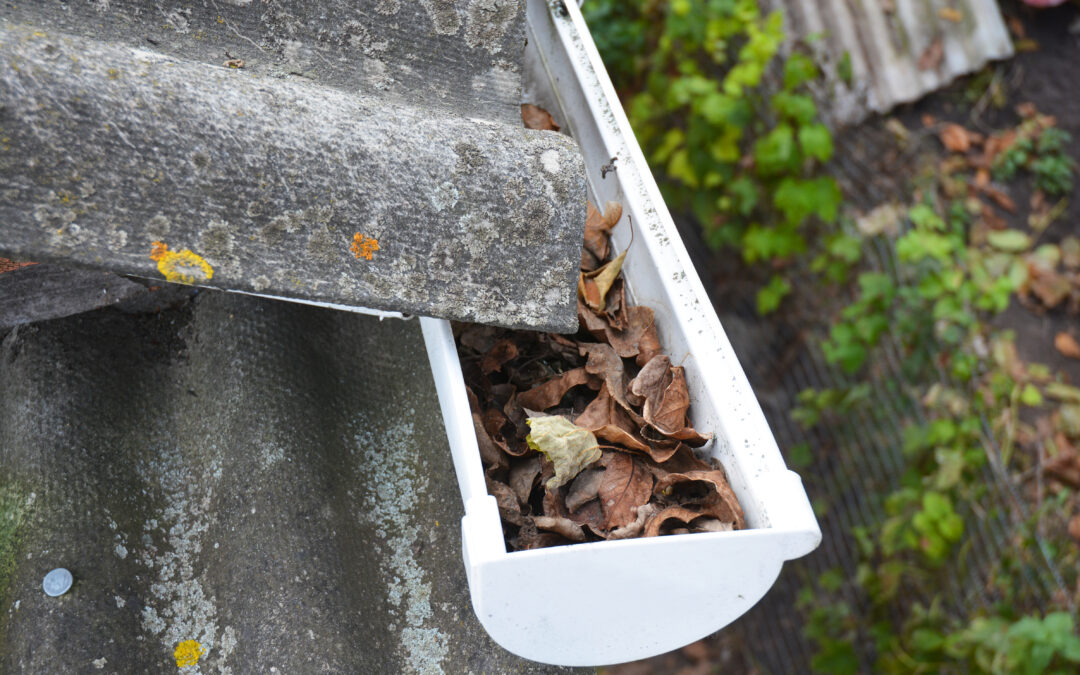
Gutters and downspouts play a significant role in managing roof runoff and preventing roof water damage. When they become clogged with leaves, dirt, or debris, water can back up and overflow, allowing moisture to seep into your roof structure.
- Clean, well-maintained gutters help to:
- Prevent wood rot
- Improve water drainage
- Reduce the risk of roof leaks
- Protect landscaping and foundations
- Minimize pest attraction
3. Check for Damage or Vulnerable Areas
After thoroughly cleaning your roof, inspect for loose, cracked, or missing shingles or tiles as part of a routine roof inspection checklist to catch issues early. Paying attention to areas such as flashing around chimneys and skylights can help homeowners feel proactive and capable of safeguarding their home during winter roof preparation.
Address any issues promptly by repairing or replacing damaged or missing roofing and by securing or replacing deteriorated flashing. Additionally, in some situations, roofing cement or sealant can be used for added waterproofing and to prevent future water leaks.
Make sure to inspect your roof’s surface area and any visible dips or sags. Sagging and dips may indicate an underlying issue, such as damage or defects in roofing materials, underlayment, or decking. Therefore, these issues should be addressed before severe weather events occur, as cold temperatures will worsen them.
During the inspection of your home, look inside your attic and upper levels for signs of water intrusion from roof leaks. Signs to look for are stained ceilings, discolored ceilings, peeling paint, cracks in plaster, and odors from mold or mildew. All of the above could indicate a problem with your roof or flashing failure.
4. Get Ready for Winter Rain and Snow.
Once you have confirmed that your roof is free of leaks and that flashing and vulnerable areas are secure, you can focus on final winter roof preparation steps to reduce weather-related risks. These proactive steps may include:
- Adding insulation to the attic or uppermost level of the home, if needed
- Installing gutter guards to prevent leaves and debris from causing clogs
- Investing in snow guards for steep roofs in areas that experience heavy snowfall
- Using a roof rake to safely clear snow buildup and reduce the risk of ice dams
- Snow guards help protect people, property, and landscaping by preventing large amounts of snow from sliding off the roof all at once, while gutter guards support proper drainage and reduce gutter cleaning needs.
Ice dams can cause significant damage if not addressed early. Learn to recognize signs such as ice buildup at roof edges, and take preventive steps, such as improving attic insulation and roof ventilation, to protect your home during winter roof maintenance.
Improving attic insulation, removing excess snow with a roof rake, and maintaining proper attic ventilation all help minimize ice dam formation by promoting consistent roof temperatures and reducing freeze–thaw cycles.
Finally, reviewing your homeowner’s insurance policy to understand what roof-related issues are covered can help you feel more prepared. Knowing your coverage in advance can give you confidence and peace of mind in managing potential roof repairs.
When you get your roof ready, you’ll be proactive in preventing moisture from entering the house through leaks and other openings, thereby preventing structural damage to the roof and costly repair expenses. Inspecting the roof for weak points, making sure that the roof has adequate drainage, and taking precautions to get your roof ready before winter storms hit are ways to minimize risks to your roof and make it last longer with good winter maintenance. When you prepare your roof for the winter, it will perform much better during winter weather and provide you with peace of mind that your home is protected throughout the year.


